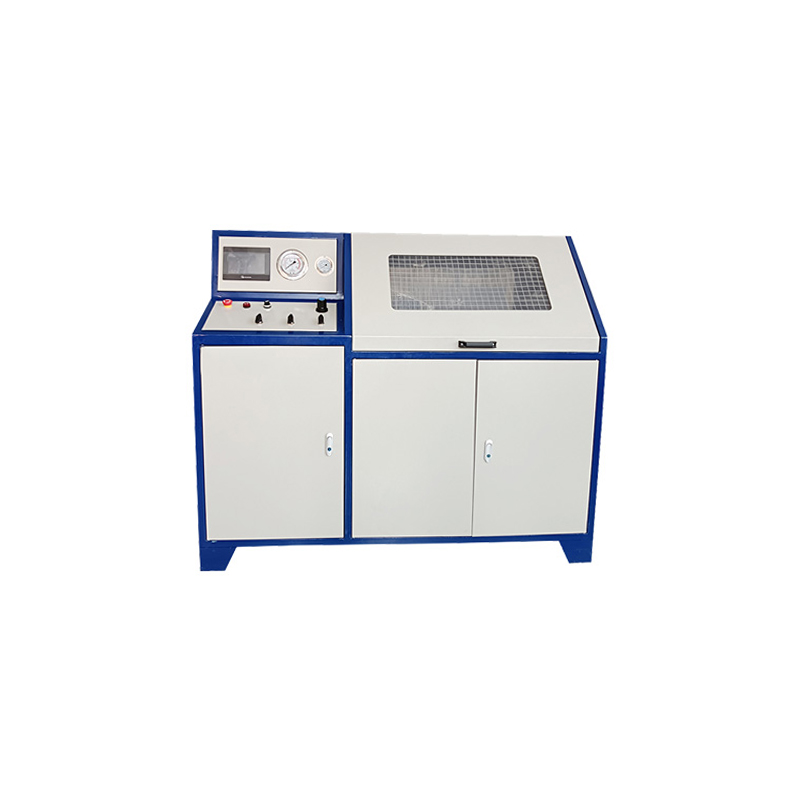
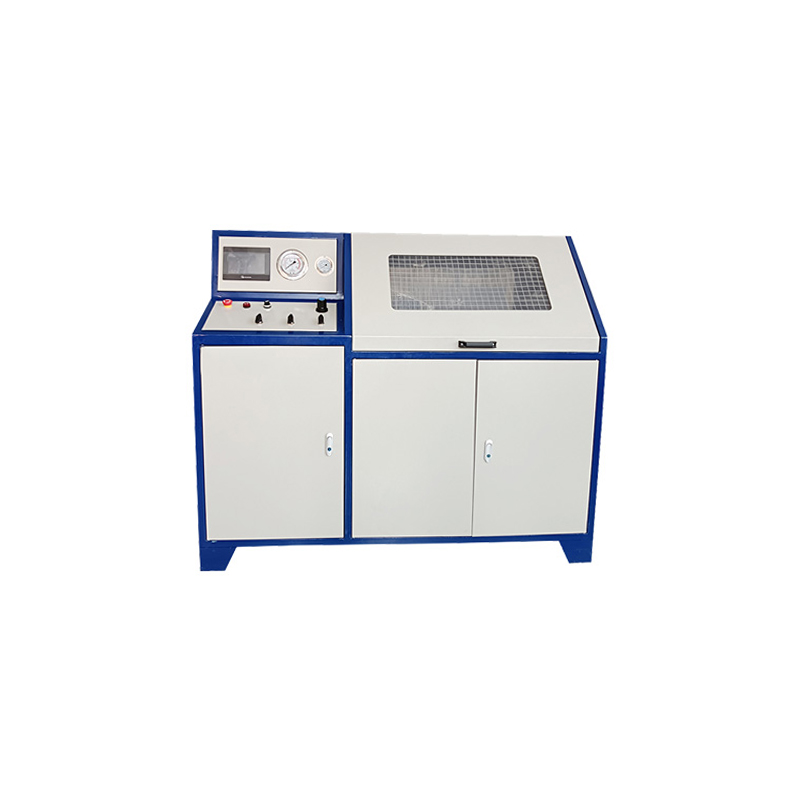
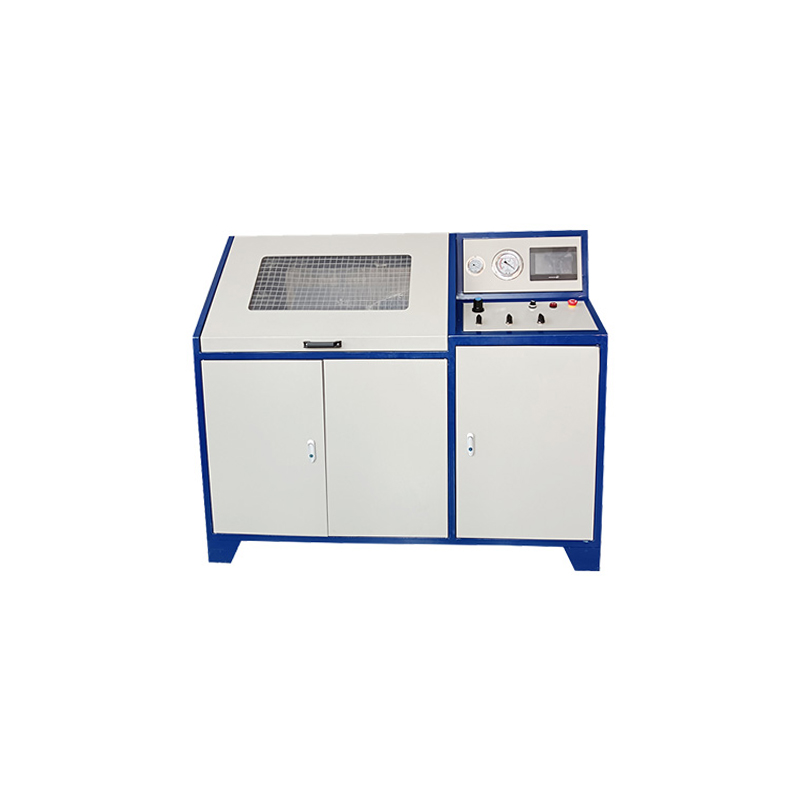
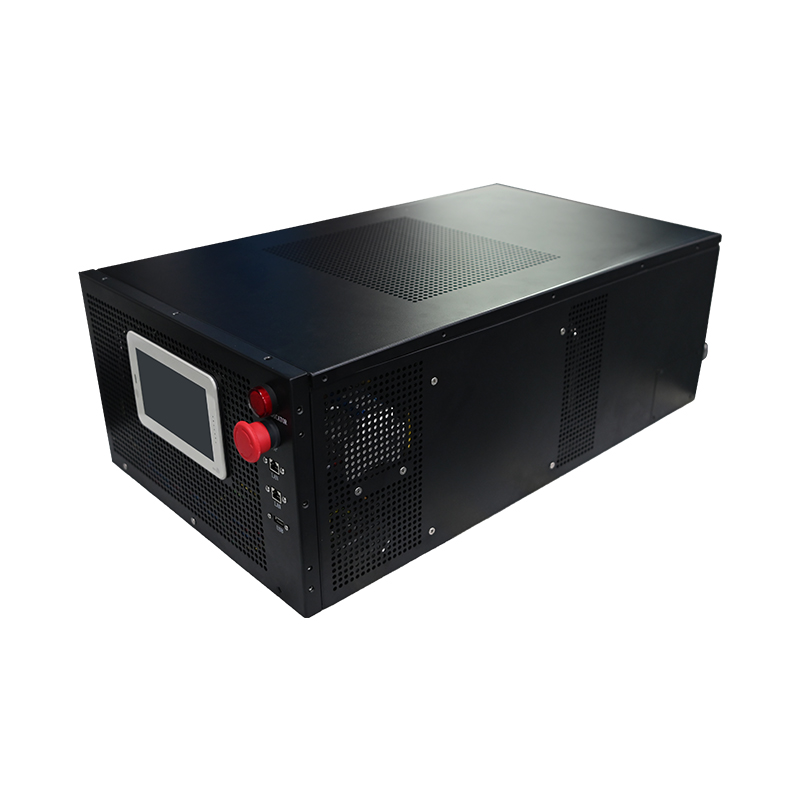
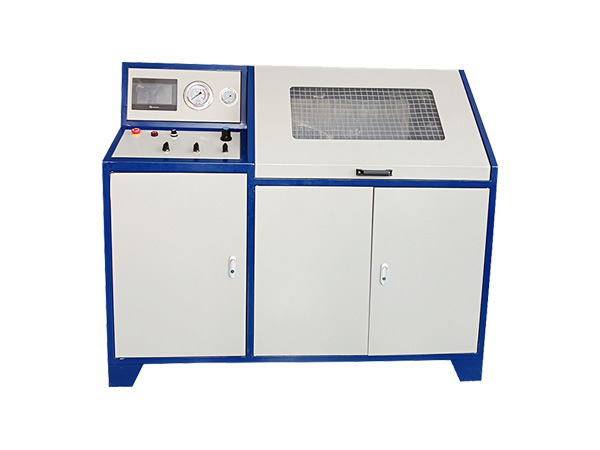
Lori non-standard customized pressure testing equipment breaks through the limitations of standard models and is specifically designed to meet your unique product structure, production line processes, and quality control standards. We deeply understand that every product and every production line has its own particularities. Therefore, we offer a full-process customized service from demand analysis, scheme design, equipment development to final delivery, to create a completely matching and highly reliable leakage testing solution for you.
When your product encounters the following challenges, standard leak testing equipment may not be able to meet the requirements:
1. Special shape: The product has a complex structure, is extremely large or small in size, or has no standard interfaces.
2. Unique process: The test pressure is extremely high or low, and the test medium is special (such as helium, mixed gases).
3. Process integration: It needs to be seamlessly connected with your automated production line, robots, and MES system.
4. Efficiency bottleneck: It needs to achieve multi-stations parallel, rapid cycle testing, or 100% full inspection.
5. Lack of standards: There are no mature testing methods in the industry, and it is necessary to jointly develop the testing process.
In-depth Requirements Analysis and Solution Design
Our engineers will work closely with your team to clarify the following:
1. The characteristics and sealing requirements of the tested component
2. Test standards (leakage rate, pressure, time), production line cycle time and automation degree requirements
3. Data management and system integration requirements.
Flexible Technical Modular Configuration
Based on mature and reliable underlying technologies (such as pressure drop method and differential pressure method), we can flexibly combine and construct for you:
1. Customized testing tools: Specifically designed sealing joints, fixtures, and cavities for product shapes to ensure quick clippping and zero-leak connection.
2. Specialized pressure and control: Configure pressure generation systems within a specific range (pneumatic or hydraulic) to meet testing requirements from vacuum to ultra-high pressure.
3. Multiple detection methods: Select or combine bubble method, pressure drop method, differential pressure method, or flow method according to sensitivity and efficiency requirements.
4. Intelligent control system: Utilize high-performance PLC or industrial PC to implement complex testing logic, safety interlock, and fully automatic operation.
5. Deep system integration: Provide standard communication interfaces (such as RS485, Ethernet, Profinet) to easily connect with upper-level management systems like robotic arms.